
PERSPECTIVE: Visa Waiver Program Boosts Record Travel Despite Border Security Challenges
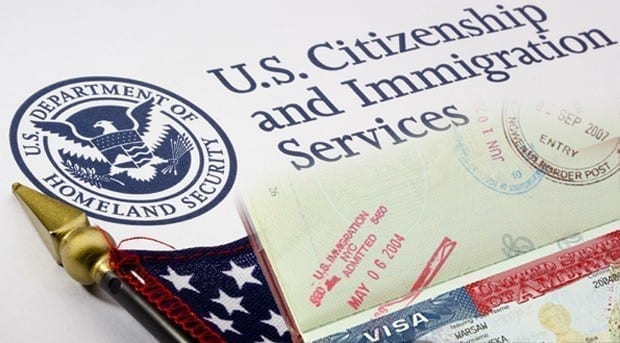
The Visa Waiver Program (VWP), administered by the Department of Homeland Security (DHS) in consultation with the Department of State, annually enables countless foreign tourists and businesspeople from more than 40 countries to make short visits to the United States without the hassle and cost of applying for a U.S. nonimmigrant visa. This includes making an appointment and standing in line for an interview at a U.S. Embassy or Consulate abroad.
Understandably, many more countries and their citizens would like to join the VWP; however, it is not a simple process, as I detail below. The media has written about the VWP in recent weeks regarding possible misuse of the program by workers at the Hyundai-LG plant in Georgia, alleged missteps in Argentina‘s and Romania‘s VWP accession processes, and international travel downturns. I thought some additional review of these issues was warranted.
International Air Travel Shows Post-Pandemic Strength
First, let us examine inbound travel data. Some may be surprised that international air travel is not down but up. In fact, this July, Customs and Border Protection (CBP) reported 108,000 air arrivals, a post-pandemic monthly record. Air arrivals from March to July this year were all higher than each of those months in the prior four years. While it is true that arrivals by land have dropped from previous years, VWP travelers – nationals of the VWP participant countries largely in Europe and Asia – are mainly air travelers.
Evolution from Travel Facilitation to Security Partnership
What explains the resilience of the VWP? Its evolution. The Commerce Department has described the significant economic benefits the U.S. accrues from foreign travelers, but the VWP has matured from mere travel facilitation to a comprehensive security partnership. The Implementing the Recommendations of the 9/11 Commission Act (2007) and the Visa Waiver Program Improvement and Terrorist Travel Prevention Act (2015), coupled with DHS policy changes, now give DHS and its overseas partners more tools to secure travel.
These changes require VWP countries to share biographic and biometric information about criminals and terrorists; secure their own borders using passport and passenger data; safeguard air travel at their airports and via agreements allowing Federal Air Marshals to operate on international flights from VWP countries to the U.S.; issue the most fraud-resistant passports; and more. In considering VWP expansion, the United States must weigh those continuous and real-time security benefits against the value of a consular visa interview at a U.S. Embassy, which may have taken place years, or even a decade, before a visitor’s travel.
As someone who conducted visa interviews for years at the State Department before moving to DHS and CBP, where I led the Visa Waiver Program Office and instituted international security enhancements, I have seen firsthand the value of the VWP security partnerships. Our foreign partners value those partnerships as well.
Overcoming Security Requirements: Recent Success Stories
Do those security requirements create hurdles that are easy to overcome? No. But Israel overcame them in 2023, as did Qatar in 2024, as their citizens yearned for streamlined travel to the United States. Basic VWP requirements are retained, such as reciprocal visa-free travel for U.S. citizens and a low U.S. visa refusal rate. The State Department’s 2024 data indicates that several countries, including VWP aspirants Cyprus and the United Arab Emirates, already meet the low visa refusal rate requirement.
However, media reports in recent months of problems with Argentina’s and Romania’s efforts to join the VWP argue for a skilled and careful approach. Qatar reportedly used the services of experienced, retired DHS veterans to assist them in their negotiations. Several firms have such expertise, and other countries would be well advised not to hope for the best and go it alone.
Understanding VWP Limitations: The Georgia Enforcement Actions
Lastly, what about Immigration and Customs Enforcement’s enforcement actions in Georgia? From what the media has reported, those arrested may have been in several different immigration categories, including illegal entries, visa overstays, incorrect visas, and VWP violations. More will be known in the coming weeks but it is important to recall that the VWP permits travelers to visit the U.S. for business or tourism for 90 days. The length of stay for a VWP traveler cannot be extended, and change of status to, for example, student or skilled worker, is not permitted.
VWP visitors can hold business meetings, attend conferences, and conduct commercial negotiations, but they cannot be paid by U.S. sources and cannot be formally employed. Companies can seek the advice of immigration attorneys to ensure an individual worker is in the right visa category, and countries can seek the support of policy experts on the VWP.
Looking Forward: Continued VWP Expansion
All Secretaries of Homeland Security, from Ridge and Chertoff to Noem, have supported the expansion of the VWP. They recognize the value of the data shared and the criminals and terrorists identified and apprehended because of VWP partnerships. In the coming years, let us all look toward more of those relationships, more secure travel, and an expanded VWP.
link