The State Department Updated the Warnings for Mexico. Which Cities Does It Say Are Safe for Travel?
While several major tourist cities in Mexico are listed at Level 1 and 2, a couple are at Level 3, with recommendations to avoid.
The U.S. State Department updated their travel warnings for Mexico last month, and revised their recommendations for the states of Chiapas and Durango after a review period.
Chiapas is rated Level 3 – Reconsider Travel, while Durango is rated Level 2 – Exercise Increase Caution. Both states are so rated by the State Department based on reports of crime. In both states, violent crime and gang activities are the concerns cited. While visitors are not typically the target of violent crime, there have been reports of bystanders being injured or killed in crossfire.
It’s worth noting, however, that neither state is particularly popular with U.S. leisure travelers. Mexico is a vast country, and the State Department warnings vary widely from state to state, and sometimes within regions in the same state.
Two Mexican states are currently rated Level 1 – Exercise Normal Precautions: Campeche and Yucatan, on the western edge of the Yucatan Peninsula. Campeche and Mérida are popular destinations in those states.
Continue Reading Article After Our Video
Recommended Fodor’s Video
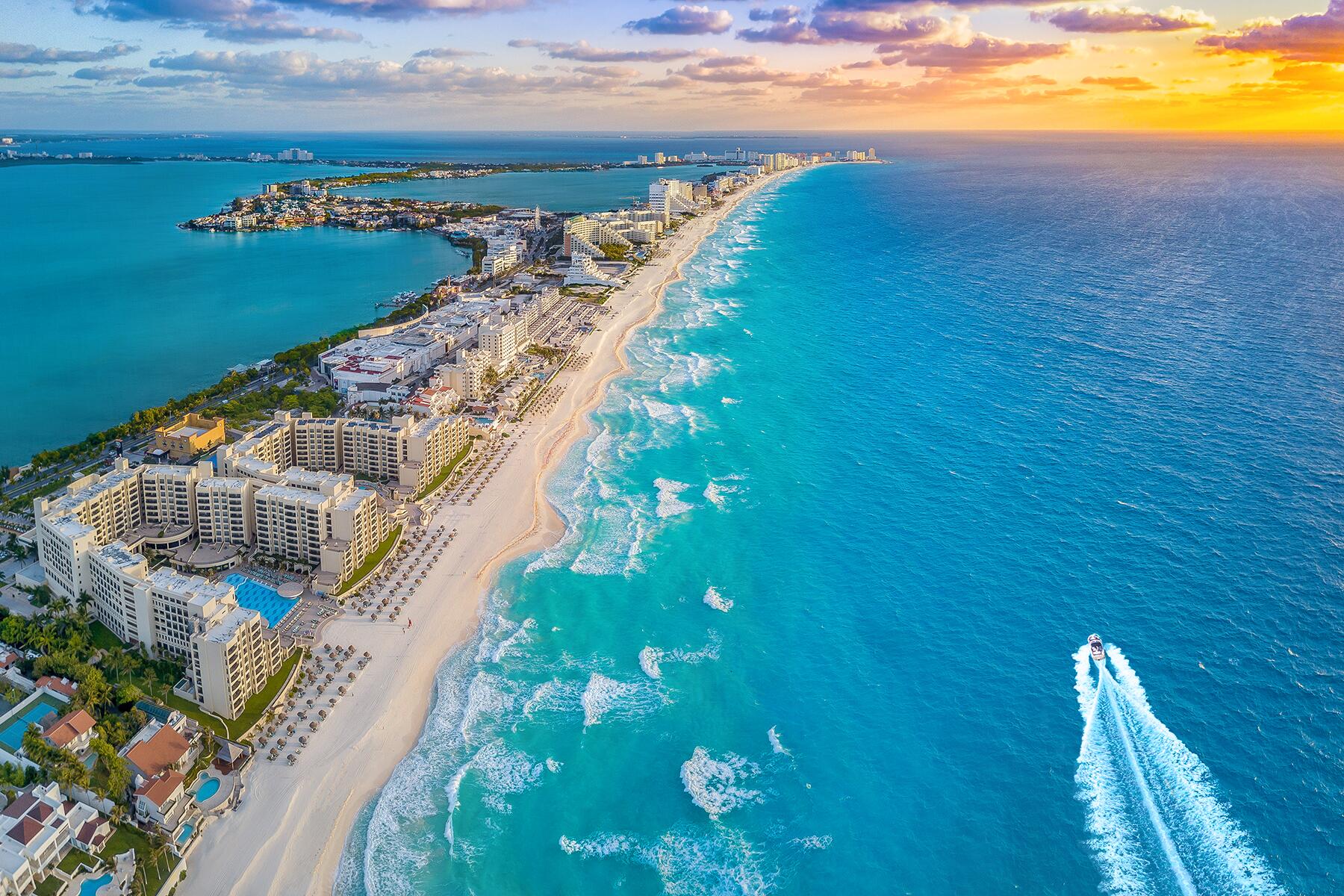
Neighboring Quintana Roo, home to Cancun, Playa del Carmen, and Tulum, is rated Level 2 – Exercise Increased Caution. Consular officials advise visitors to these areas to be particularly vigilant after dark and to remain in well-lit pedestrian areas and tourist zones.
Several other states are rated Level 2 – Exercise Increased Caution, mostly after reports of similar types of crime. These states include Baja California Sur (the resort areas of Los Cabos and La Paz), Mexico City, Nayarit (the resort areas of Punta Mita and Riviera Nayarit), Oaxaca, and Veracruz.
Several major international tourist destinations are at Level 2, including France and Italy.
Jalisco is rated Level 3 – Reconsider Travel, although it’s worth noting that the warning primarily concerns the city of Guadalajara outside of tourist areas. The State Department issues warnings against employee travel in areas considered to have particular risk potential, and the Department does not advise against employee travel in Guadalajara’s tourist areas, or in the resort area of Puerto Vallarta.
The State Department advises against travel to the following states: Colima, Guerrero, Michoacan, Sinaloa, Tamaulipas, and Zacatecas.
Colima is home to the resort area of Manzanillo, where the State Department does not recommend against employee travel in resort areas.
The State Department strongly warns against all travel–including employee travel–to the state of Guerrero, including the resort areas of Acapulco, Zihuatanejo, Taxco, and Ixtapa. The department notes that “crime and violence are widespread. Armed groups operate independently of the government in many areas of Guerrero. Members of these groups frequently maintain roadblocks and may use violence toward travelers.”
In Sinaloa, home to the resort area of Mazatlan, travel is not advised because “violent crime is widespread.” U.S. government employees may only arrive in Mazatlan by air or sea, and are restricted to the Zona Dorada (hotel zone) and historic town center, and the most direct routes between them and the airport or seaport.
The states of Tamaulipas and Zacatecas do not have any significant resort or tourism areas.
The Government of Canada also issues regional advisories for Mexico that largely mirror those issued by the U.S. State Department. Canada notably does not advise travelers to avoid non-essential travel to Manzanillo (if arriving by air), Ixtapa/Zihuatanejo (if arriving by air), Mazatlan, Hermosillo, Guayamas/San Carlos, and Puerto Penasco.
The British Foreign Office, by contrast, doesn’t advise against essential travel anywhere in Mexico, and has advice for other resort areas that roughly mirrors those issued by the Government of Canada.
Regardless of where U.S. travelers are planning to travel in Mexico, they should register with the State Department via the STEP program, and make note of the nearest U.S. Embassy or Consulate in the area they’re visiting.
link