
Taylor Swift Concert Ticket Prices in 2025: A Deep Dive into the Cost of Swiftie Experiences
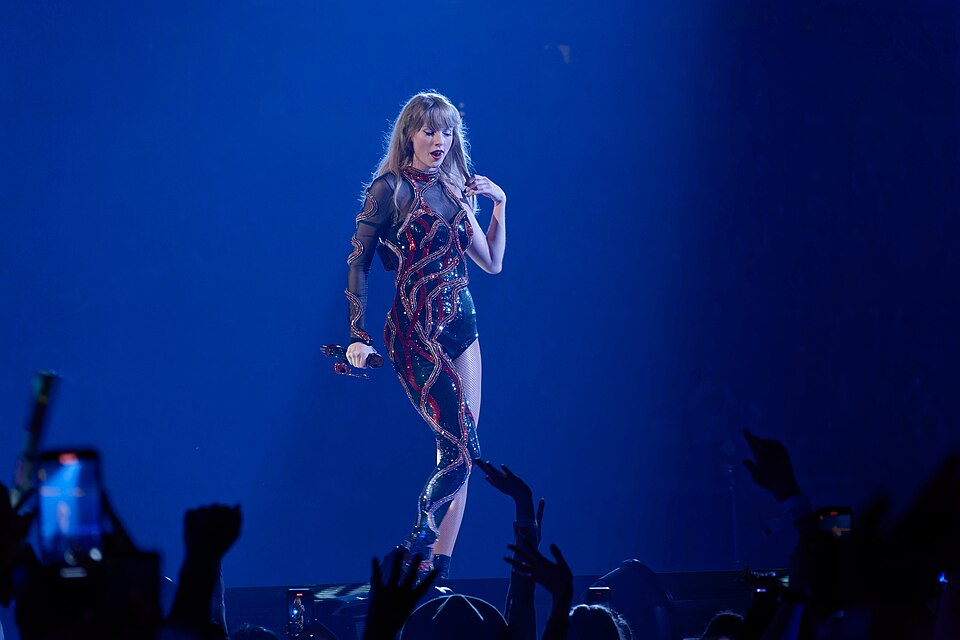
What Ticket Detectives Reports for 2025
Ticket Detectives recently published an overview of Taylor Swift’s concert ticket prices for 2025, revealing insights on face value, resale dynamics, and VIP experience costs. While their specific figures weren’t accessible, such platforms typically chart ticket price ranges by venue, city, and seating levels—highlighting how face-value seats often don’t reflect the inflated costs fans encounter on resale markets.
These reports often include:
-
Face‑value tiers (general admission, tiered seating)
-
Secondary market prices (StubHub, Vivid Seats, SeatGeek)
-
VIP and hospitality packages
-
Fee transparency and breakdowns
We can complement their findings by examining broader data sources to illustrate how fans actually pay to see Taylor Swift in 2025.
Face‑Value and Presale Pricing
During the U.S. leg of The Eras Tour (2023–2024), Ticketmaster set face‑value ticket prices between roughly $49 for upper-tier seats and up to $449 for premium reserved seating, with VIP packages reaching $899. Presale systems—like Verified Fan—allocated tickets to registered fans, aiming to match demand, but demand still far exceeded supply.
In 2025, rumored base pricing remains similar, with entry-level tickets often under $100 face-value, but premium tickets and hospitality packages can exceed $500–$1,000 before markup.
Secondary Market Realities
Resale prices continue to far outstrip face-value, especially for high-demand dates. Business Insider reported that resale prices commonly range from $475 to $750 for concerts in Canada—as seen in Vancouver in December 2024. Other sources suggest average resale tickets hover around $312, with starting rates near $161.
Platforms like SeatGeek, Vivid Seats, and StubHub show:
-
Cheapest resale tickets: $458–$750
-
Average resale ticket: ~$312
-
$2,000+ listings for top-tier U.S. dates
Thus, the gap between face-value and resale often soars past 2–3x, with die-hard fans sometimes spending thousands to secure seats.
The Influence and Controversy of Dynamic Pricing
Faced with overwhelming demand, ticket platforms have increasingly turned to dynamic pricing—adjusting prices in real time based on demand and seat availability. While Ticketmaster has used dynamic tiers since 2022 and Ticketmaster/Live Nation applies demand-based pricing to major events , some acts like Taylor Swift have shunned this model, opting instead for transparent tiered pricing.
However, even without aggressive dynamic pricing, resale inflation remains rampant, drawing fan backlash and governmental scrutiny. For example, Taylor Swift-backed legislation like the “Taylor Swift Bill” in Minnesota forces upfront fee disclosure and limits scalping.
Ticketmaster’s Post‑Eras Fiasco Reforms
In response to the infamous 2022 Eras Tour presale crash, Ticketmaster implemented significant changes, including:
-
“All‑in” pricing showing full cost upfront.
-
Real‑time queue positioning updates
-
Enhanced anti-bot measures and compliance to new regulations banning junk fees.
These reforms seek to reduce hidden costs and improve transparency—a step fans have been calling for since the Eras Tour presale disaster.
Economic and Cultural Ripple Effects
Taylor Swift’s Eras Tour grossed over $2 billion globally, spurring ancillary economic growth—an estimated $5 billion in U.S. spending and over $10 billion worldwide. While steroidal demand catalyzed record-breaking revenue, it also spotlighted inequities where only the wealthiest—like comedian Nikki Glaser, who spent ~$100 k over 22 shows—could attend face-to-face.
Meanwhile, Swift has influenced ticketing norms for the wider live entertainment industry. Her “slow-ticketing” model evolved post-Reputation Tour by requiring pre-registrations and gradually lowering prices as show dates neared. This system blended demand forecasting with fairness, becoming a new template other artists are exploring.
Legislative Pressure and Political Echoes
Swift’s influence has extended beyond music into politics. Her criticism of ticketing platforms has fueled bills requiring bulk ticket transparency and banning bots across U.S. states (e.g., Minnesota, Texas, California) . In March 2025, former President Trump signed an executive order targeting concert reselling abuses, citing crises experienced by Swift and Springsteen fans. These moves reflect a growing consensus to regulate ticketing for consumer protection.
Planning for Swift’s Future Tours in 2025
While no dates are officially confirmed for 2025–2026, fans should prepare strategically:
-
Pre-register for Verified Fan or brand presales (e.g. Capital One, RBC).
-
Track resale platforms like SeatGeek, SeatPick, StubHub for fluctuating prices—starting prices can be ~$161–$261, averages around $312–$496 depending on location
-
Budget for VIP/hospitality—premier experiences often exceed $500, sometimes topping $900 face-value
-
Check fee transparency—thanks to “All‑in” pricing, you’ll get clearer total costs at checkout
-
Consider timing—dynamic pricing may drop closer to show dates, though demand spikes may limit bargains.
Final Thoughts
Taylor Swift ticket prices in 2025 embody a clash of fan passion, market economics, and evolving policy. Face-value tickets may seem accessible, but resale markets—fed by demand and scalpers—drastically inflate costs. Meanwhile, Swift’s influence has driven industry reforms, from preseason transparency to political efforts stamping out deceptive ticketing.
Platforms like Ticketmaster have taken steps towards fairness, but challenges persist. Swifties who educate themselves—register early, monitor resale trends, and compare ticketing platforms—stand the best chance of finding value. Meanwhile, continued legislative and consumer pressure promises incremental improvements, making Taylor Swift ticket buying safer, fairer, and more transparent for fans worldwide.