New Hurtigruten Survey Shows Brits Are More Adventurous with Food When Traveling Abroad
Saturday, July 12, 2025

Traveling opens new experiences, and to British tourists, traveling seems to open their taste buds too. From a recent survey done by Hurtigruten, one of the foremost expedition cruise lines, British tourists are more eager to experience new delicacies while on holiday abroad than while on holiday back home.
The survey, which gathered the opinions of over 2,000 British residents, showed that 68% of those questioned are keener to experience new delicacies while overseas. This is a distinct shift in gastronomic habits and evidence that travelcan stimulate food curiosity and an appetite to see and experience the cultural variety that destinations possess.
The Appeal of Regional Cuisine that’s Real
One of the report’s key findings is the irresistible appeal of authentic local cuisine. For the average tourist, trying the country they are visiting’s food is a core aspect of the experience. The survey revealed that 72% of respondents agree that trying local traditional dishes is a wonderful means to enhance their travel experience.
This gastronomic curiosity is particularly acute among countries that have a rich, healthy cuisine culture. Where else, apart from Italy, Japan, and Morocco, would one care to experience a bowl of rich Tuscan soup, ribollita, studded with vegetables, beans, and yesterday’s bread, and feel the spirit of the Italian countryside cooking? And where else, apart from these places, will one find a draw to hot, just-cooked sushi and delicate ramens in an old-time noodle shop that will appeal to one’s sense of adventure and need to feel the country on another level?
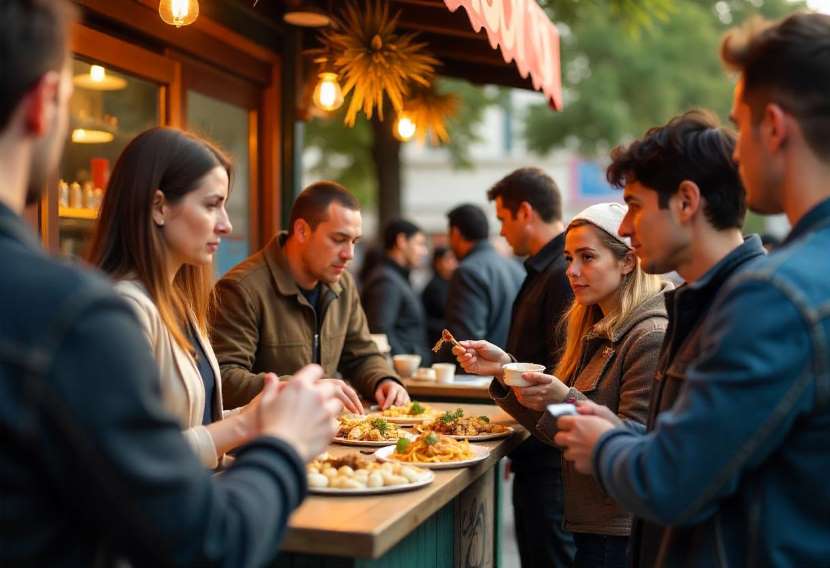
Eating local while abroad means much more than trying new cuisine; it’s an exploration into the country’s history, culture, and its residents. From street carts in Bangkok to high-end restaurants in Paris, local cuisine offers an introduction to the taste and texture of a location.
Cuisine as a Window to Cultural Understanding
The survey further disclosed that local cuisine is an integral to cultural experience. 65% of the respondents indicated that trying local food was an essential part of their need to experience a new culture. Eating a meal that’s prepared from local ingredients is more than stuffing an empty belly; sharing an old-established culture of food that defines a place.
For example, tourists to Morocco may take food tours where one may have the opportunity to learn to prepare tagine, a classic slow-cooked stew, or taste the famous couscous. These are the kind of cultural experiences, blended with the experience of food, that British tourists increasingly seek when choosing their international vacations. From learning to prepare one’s own pasta to learning the technique behind Japanese sushi from an experienced master chef, food has the ability to take a regular trip and turn it into an unforgettable cultural experience.
Food also facilitates interaction between tourists and locals. Tasting food from one’s local coffee shop, for instance, provides yet another opportunity to speak to locals, such as an interview by the chef, tourists sharing a meal, or gaining recommendations on where to have the subsequent meal. It creates a sense of community and shared experience that complements another facet of travel experience.
Factors Influencing Gastronomic Advent
Several factors are responsible for the increased willingness among British tourists to explore outside their taste comfort zones while traveling overseas. The leading drivers, gleaned from the survey conducted by Hurtigruten, are as follows:
Cultural Immersion: As explained earlier, 65% of respondents view food as a core part of exploring a destination’s culture. From traditional festivities to simple street food, food is the key to learning about a country’s history and way-of-life.
Tips: Approximately 58% of travelers disclosed that they will explore new foods when recommended by locals or other travelers. The word-of-mouth from credible sources proves to be an overwhelming motivator while discovering food overseas. Owing to the travel forums on the internet, food blogs, and travel guides from locals, many are inspired to explore from the familiar and into the new unknown.
Presentation: As they say, we taste first with our eyes, and 54% of survey respondents agree. An attractive plate, whether an ornate traditional curry or an artfully composed sushi plate, stirs curiosity and anticipation. As more and more travel food becomes more attractive to the senses, travelers are more likely to try it, particularly when presented to them as a work of art, not just a meal.
Those elements prove that British tourists’ enthusiasm regarding foreign food isn’t just the food, though, but the experience and the narratives behind the meal. It’s the environment that the food originates from, the person that cooks the meal, and how that reveals the destination’s culture. The more travelers want to experience destinations, food increasingly becomes an integral level of that experience.
Challenges and Considerations: Balancing Adventure and Safety
Although there’s further hype regarding sampling local cuisine when traveling, there are specific concerns that still discourage many tourists. The survey cited food allergy, special diet, and communication problems as determining moments to venture into local food. For many, not being able to articulate one’s dietary needs or medical condition abroad may be too intimidating a prospect.
However, tourists can mitigate such impediments by means of food tours, cooking classes, and other guided gastronomy experiences, which not only ensure safeguarding but provide an enriching learning experience, as well. Such trips help to take the guesswork out of the matter and allow holidaymakers to venture into new dishes while feeling they are safe and sound in capable hands.
For travelers that have special dietary demands, there are guided excursions that afford the chance to encounter local cooks who will prepare accordingly, and so the traveler may experience the full culture without worry.
The Importance of Hurtigruten to Food Travel
Hurtigruten, whose cruises and expeditions carry travelers on the coast of Norway and to the Arctic and other inaccessible locations, has long emphasized the importance of food on travel itself. The company understands that food offers one of the best ways to interact with a destination. On its expedition cruises, Hurtigruten collaborates with local cooks, local food producers, and environmental-minded partners to offer to travelers locally grown, original, and regionally flavored food that they experience on their expeditions to various regions.
Its emphasis on food and beverage extends beyond the table too. Hurtigruten offers special cruises that include exploring Arctic cuisine, such as tasting reindeer, cod, and other local delicacies, or participating in special cooking lessons by master chefs.
To the passengers on such cruises, onboard meal is not only part of the experience, but part and parcel of the experience itself. Such an emphasis on local, regional cooking is why Hurtigruten has received acclaim for providing unforgettable meal experiences to those exploring the fjords, coast, and wilderness areas of Norway.
Conclusion: Traveling with an Open Mind and an Open Palate
The results from Hurtigruten’s survey reveal that British tourists are more receptive than ever to broadening their gastronomic experience overseas. From the appeal of local specialities to the cultural significance of food, there’s no doubt that food has become one of the key promoters of the travel experience.
For many, travel entails exploring new places, making lifelong memories, and bonding—food plays very prominently in all this. Traveling is not just about feeding, nowadays, but truly experiencing a place through its flavor and cuisine.
As travel restrictions continue to ease, and travelers come to increasingly want to continue where they left off, the experience of sampling new cuisine can help tourists feel an meaningful and unforgettable sense of connection to the world. The next time you travel, then, try this: the most unforgettable experience of your journey might very well come not from a majestic monument or storied landmark, but from a meal consumed from a hole-in-the-wall eatery, street food stand, or cooking class, where the taste of a place takes on life on the plate. Traveling from an open heart and an open taste bud, then, really can shift how you experience the world.

link