Nelson Mandela Bay, South Africa: Visitor Safety Efforts Power a Renewed Tourism Comeback
Published on
October 31, 2025

As the cornerstone of its tourism recovery strategy, South Africa’s thriving coastal destination of Nelson Mandela Bay has placed a renewed emphasis on visitor safety. Although the region’s natural resources—a rich coastline, historical landmarks, beaches, and cultural experiences—are widely recognised, it has long been believed that these advantages cannot be fully utilised until tourists feel secure. Both the need to increase tourism and repair the destination’s standing abroad are driving this change.
The Safety Challenge and the Stakes
The tourism sector in Nelson Mandela Bay is seen as a key economic driver for the region. Yet recent years have seen declines in visitor numbers, partly attributable to concerns—both real and perceived—about safety. Recognising that a few isolated incidents can cast a long shadow, the municipality and tourism stakeholders have been working to ensure that safety becomes a visible part of the visitor experience. In particular, the understanding has emerged that safety must extend beyond signage and policy into everyday on-the-ground reality if trust is to be rebuilt.
Strategic Planning with Safety at the Core
Within formal tourism planning documents for the metropolitan area, tourist safety and security have been identified as strategic priorities. A framework has been outlined that integrates safety into destination marketing, infrastructure investment, community engagement and visitor services. Tourism officials have taken up roles that focus not only on marketing the region’s scenic and cultural assets but also on embedding safety measures throughout the visitor journey. The message is that safety is not an add-on but a driving dimension of the destination proposition.
What Is Changing on the Ground
Several initiatives have been rolled out to turn strategy into action. Community forums have been established in partnership with law-enforcement agencies to encourage the reporting of tourist-related incidents and to heighten awareness of common fraud tactics. Visitor information centres are being upgraded to provide clearer guidance on safe travel behaviour. Road signage and lighting in key tourist zones are being improved. Tourism businesses are being encouraged to adopt safety-friendly practices such as visible staff presence, secure parking and well-lit pedestrian pathways. Through these combined efforts the aim is to make the promise of safety visible and credible.
Why the Tourism Offer Matters
The tourism potential of Nelson Mandela Bay is strong. With more than 40 km of coastline, Blue Flag beaches, and access to both urban and nature-based experiences, the region offers a wide appeal. It is a base from which international and domestic travellers can explore game parks, coastal reserves and township-culture tours—not just the more obvious attractions. The better the visitor feels – in terms of enjoyment and security – the more likely they are to stay longer, spend more, and recommend the place to others.
Economic Impacts and Destination Branding
For local businesses—from beachfront guest houses to township tour operators—the stakes are high. Tourism supports jobs and enterprise in the region. When visitor numbers decline or when negative stories circulate, local livelihoods are affected. A favourable safety image contributes to the competitiveness of the destination. When safety is incorporated into the destination’s brand, it enhances market appeal in both domestic and international markets, enabling Nelson Mandela Bay to compete more effectively with other coastal regions.
From Perception to Practice
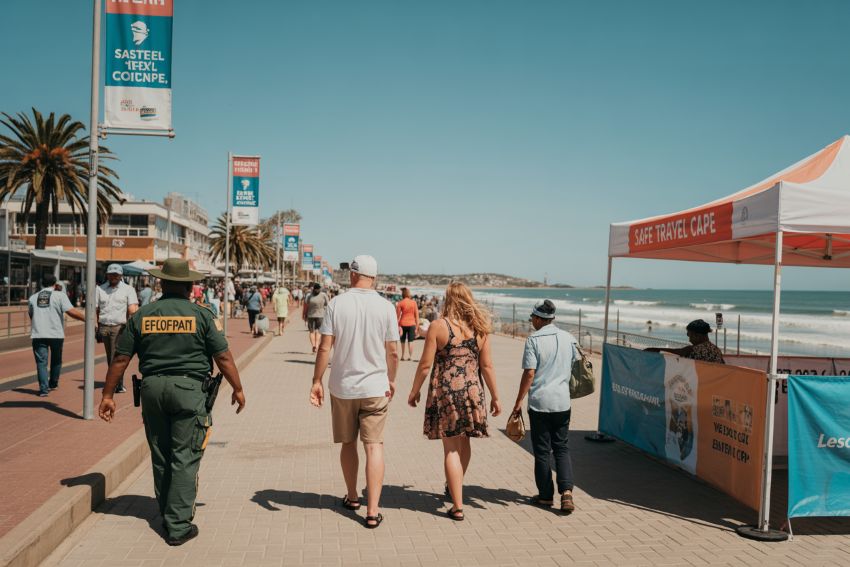
It is being recognised that even if incidents are rare, their effect on perception can be outsized. Reputation is shaped by social media, online reviews and international travel advisories. Because of this, the authorities and tourism industry are aligning to deliver both substantive improvements and visible signals of safety—from patrols in tourist zones to friendly and informed staff at visitor centres to coordinated messaging that underlines the area’s readiness to welcome travellers. The goal is to move safety from a background concern to an integral part of the guest experience.
What This Means for Travellers
For those planning a visit to Nelson Mandela Bay, the evolving safety focus offers reassurance. The destination is positioning itself as family-friendly, experience-rich and attentive to visitor well-being. Travellers can expect a tourism environment where information is clearer, signage and lighting are improved, and local tourism partners are engaged in safe-habits messaging. While it remains wise to exercise normal travel caution, the destination is showing that it takes visitor safety seriously—making it a stronger choice for both first-time and repeat travellers.
Looking Forward: The Road to Recovery
The recovery of tourism in Nelson Mandela Bay hinges on maintaining and demonstrating safety in all aspects—physical, logistical and perceptual. The strategic plan places safety as a core pillar of destination competitiveness and sustainability. Success will depend on ongoing cooperation among government, private-sector tourism businesses and community stakeholders. Infrastructure investment, training of tourism personnel, visibility of safety practices and clear communication to travellers will all remain essential. If these factors are managed well, the tourism sector in Nelson Mandela Bay is poised to regain momentum—supported by a stronger safety orientation and a refreshed visitor proposition.
In Summary
With visitor safety at the forefront, Nelson Mandela Bay is consciously rewriting its tourism narrative. The destination hopes to rebuild trust, increase its allure, and realise the full potential of its natural and cultural resources by coordinating strategy, operations, infrastructure, and communication around safety. Positive indicators for tourists include better on-site amenities, more trustworthy information, and a place that is committed to making guests feel at home. With prospects for expansion, employment, and brand revitalisation, the region’s tourism sector and local communities may undergo a sea change as a result of the renewed emphasis on safety.

link