
US Inbound Travel Decline and Challenges Discussed at Phocuswright 2025: All You Need To Know
Published on
November 25, 2025

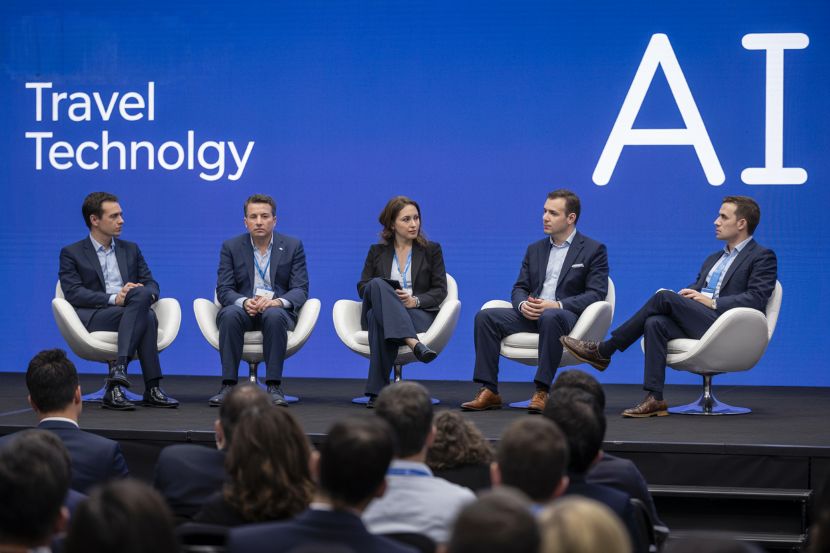
As the Phocuswright Conference 2025 unfolds, the travel industry takes a closer look at the forces reshaping the future of tourism. Day two brought together thought leaders to discuss innovations that will impact everything from AI-driven travel search to the evolution of short-term rentals and the ongoing challenges for inbound tourism to the United States. These discussions reveal not only the future of technology in travel but also the growing importance of adapting to new customer expectations and evolving global conditions.
AI’s Influence on the Future of Travel Search
The Phocuswright Conference highlighted the disruptive role of Artificial Intelligence (AI) in transforming the way travellers discover, search, and book their trips. One of the most significant revelations was the shift away from traditional search engines like Google. Industry veteran Barry Diller, Chairman of IAC and Expedia Group, noted that the monopoly of Google in travel search is waning as AI is allowing new opportunities for travel companies to engage with customers directly.
AI has also been integrated into Google’s search functionality, with its Gemini-powered AI Mode now offering rich, context-driven search results. This advancement will revolutionise the way travellers search for their next vacation. For example, AI can now process queries such as “weekend trip to a European city with Christmas markets” and generate tailored recommendations based on user preferences, weather, and destination-specific data. The collaboration between major players like Booking.com, Marriott, and Expedia with Google’s AI Mode is expected to streamline booking processes and enhance customer satisfaction by providing more accurate results with greater efficiency.
Short-Term Rentals and Hospitality: New Opportunities and Challenges
The evolving landscape of short-term rentals continues to be a key focus within the hospitality sector. At the Phocuswright Conference, Marriott’s Jennifer Hsieh discussed the company’s shift towards building professional standards in its Homes & Villas brand. Marriott, which is on track to have 200,000 homes by the end of the year, is addressing the growing demand for alternatives to traditional hotel stays by ensuring that homes meet rigorous quality and guest protection standards.
Meanwhile, Airbnb is expanding its offerings beyond accommodation to include ancillary services like spa treatments, grocery stocking, and personalised local experiences. According to Airbnb’s Chief Business Officer, Dave Stephenson, nearly half of Airbnb’s bookings in Q3 2025 were related to these additional services, underlining the increasing importance of experiences in the leisure travel sector.
However, not all players in the short-term rental space are embracing this shift. Casago CEO Steve Schwab emphasised the risks associated with the arbitrage model and highlighted the importance of revenue-share approaches for sustainable growth. Despite this, many industry experts agree that integrating services with accommodation will become an essential part of the guest experience moving forward.
US Inbound Travel: Policy and Perception Challenges
One of the most pressing issues discussed at the conference was the declining number of international visitors to the United States. Geoff Freeman, President and CEO of the US Travel Association, spoke out against the recent government shutdown, which he described as a significant blow to consumer confidence in US travel. Freeman warned that this decline in inbound travel is becoming a serious concern, with the US on track to become the only major nation to see a reduction in travel arrivals in 2025.
Freeman cited several factors contributing to this downturn, including stringent visa policies and negative perceptions of US border security. The proposed 250 USD “visa integrity fee” would make the US one of the most expensive destinations to visit, deterring potential tourists. In addition, rising concerns about safety and long processing times have made international travellers increasingly hesitant to visit the US. With countries like Canada and several European nations easing visa restrictions and improving customs procedures, Freeman cautioned that the US must work harder to remain competitive in the global travel market.
The Growing Role of AI in Personalisation and Customer Engagement
As technology continues to shape the travel industry, companies are finding new ways to leverage AI to enhance customer engagement. AI-driven personalisation allows travel providers to offer highly tailored experiences, from booking recommendations to post-trip follow-ups. Companies that embrace these new technologies are positioning themselves to thrive in an increasingly competitive market. Travel businesses are also using AI to streamline operations, improve customer service, and maximise revenue potential.
At Phocuswright 2025, several industry leaders echoed the sentiment that AI is the key to unlocking the next phase of travel innovation. From improved search functionality to smarter customer service, AI promises to enhance nearly every aspect of the travel experience. As Diller noted, “travel cannot be disintermediated,” and those companies that embrace AI will lead the way in the future of tourism.
The Future of Travel is Now
Phocuswright 2025 provided valuable insights into the emerging trends and technologies that will shape the future of travel. As the industry grapples with the challenges of policy, perceptions, and evolving customer expectations, it is clear that technology, especially AI, will be at the forefront of transformation. The key to success lies in the ability to adapt, experiment, and innovate. Whether it’s through AI-powered travel search, the growth of experiential short-term rentals, or addressing the challenges of inbound US travel, the future of the travel industry is full of opportunity.

link