Is it safe to travel after the US raid on Venezuela?
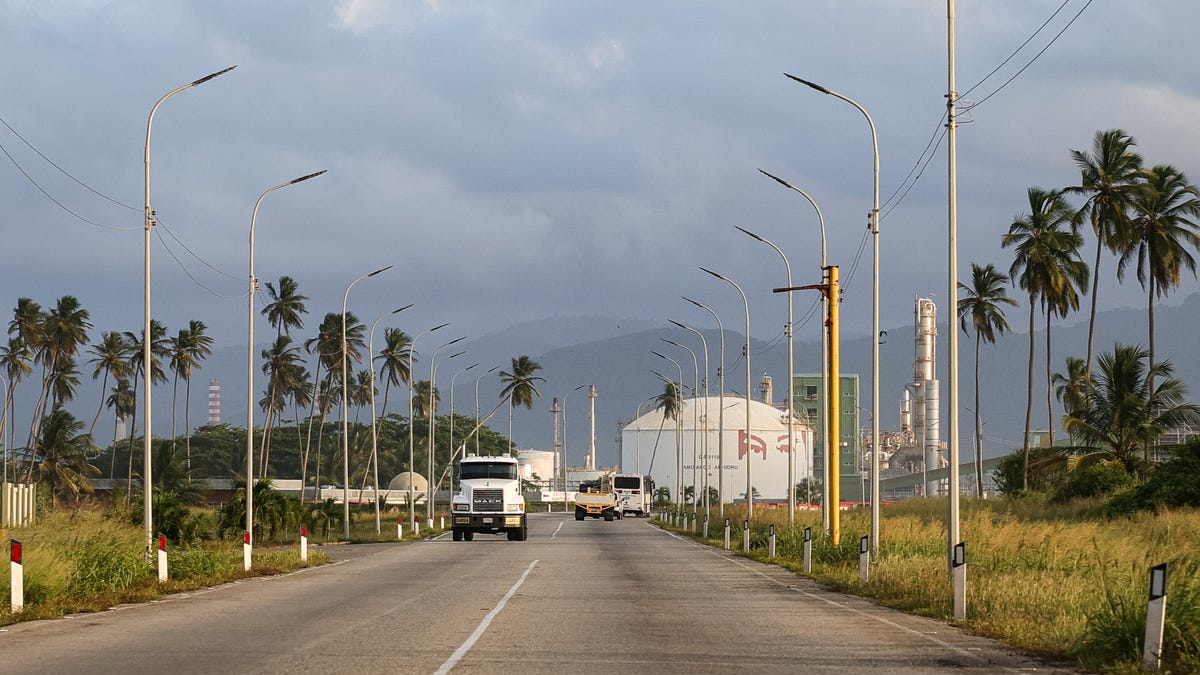


Nicolás Maduro supporters rally in Venezuela
Protests in Caracas, Venezuela broke out after the U.S. attack and indictment of President Nicolás Maduro.
- U.S. forces captured Venezuelan leader Nicolás Maduro over the weekend.
- The U.S. State Department has issued its highest travel advisory for Venezuela, urging Americans not to travel there.
President Donald Trump’s surprise attack on Venezuelan leader Nicolás Maduro over the weekend has left some Americans wondering if it’s now safe to travel to or around the Latin American country – and whether comparable events could unfold in other destinations.
After months of the United States mounting pressure on the oil-rich country, Maduro and his wife were captured by U.S. forces under charges of narco-terrorism and cocaine importation conspiracy on Jan. 3. The deposed Venezuelan leader appeared in federal court in Manhattan on Jan. 5, pleading not guilty.
During a news conference the day of the arrest, Trump said the United States will run Venezuela until there is “a safe, proper and judicious transition,” alongside rebuilding oil infrastructure to get “the oil flowing the way it should be.”
Saturday’s capture affected more than just travel to Venezuela, as the Federal Aviation Administration temporarily suspended U.S. commercial flights across the Caribbean. Thousands of travelers were stranded as their flights were suddenly canceled, scrambling to rebook flights and find accommodations.
As people wait to see what happens next between the United States and Venezuela, the incident raises safety concerns for travelers and questions about international travel, especially with Trump’s rhetoric toward Cuba and Colombia.
“Broadly, we’ve been tracking the Trump administration’s push to reinforce or reassert its dominance and influence over the Western Hemisphere,” said Mike Ballard, director of intelligence at travel security firm Global Guardian. “This definitely goes hand-in-hand with what we’d expect.”
Here’s what to know about travel to and from Venezuela.
Can Americans travel to Venezuela?
Technically, yes. U.S. citizens with a valid Venezuelan visa can enter the country, but they would do so at their own risk, as there has been no diplomatic presence since 2019.
Is it safe to visit Venezuela?
The U.S. State Department has issued Venezuela the highest level of travel advisory of Level 4, urging that Americans “do not travel” due to high risk of wrongful detention, torture in detention, kidnapping, civil unrest, crime and more. Following the raid, the U.S. Embassy in Bogota underscored Venezuela’s safety concerns with a security alert on Sunday, Jan. 4. “The security situation in Venezuela remains fluid,” the embassy warned.
For some Americans who travel to Venezuela for family or business, a visit may feel uncertain.
Ballard said his clients in the country at the time were unsure of what to do in the immediate aftermath of Maduro’s capture. “Some of the questions and concerns that we got was, ‘Should we leave?’ ‘Does this mean we should be prepared to get the heck out of here?’ ‘What’s going to happen next?’ There are a lot of unknowns,” Ballard told USA TODAY. “We advised folks just to kind of keep their head down and see where things play out. I think that was the right move.”
Maduro’s capture, resulting in widespread travel disruptions over the weekend, was “unprecedented” but also out of travelers’ control, according to Ballard. What travelers can do is keep an eye on political relations as they plan their international trips, with the reasonable expectation that similar events could unfold in the near future, given what Trump has said, and purchase travel insurance as a safety net.
Can Venezuelans visit the US?
Venezuelans with valid visas can enter the United States if they are already lawful permanent residents with green cards. But for many other Venezuelans, it will be much harder to try to visit. In June, the State Department suspended visa issuance, such as visitor and student visas, to those from certain countries, including Venezuela, under a presidential proclamation restricting the entry of foreign nationals based on terrorism and public safety threats.
link