Is it safe to travel to Paris in 2026?
4. Keep a handle on your valuables
Pickpockets are fairly common in Paris, especially in areas that draw crowds of tourists. Scam artists frequent many of the same areas.
In general, according to Thyebaut:
- Be careful on bridges. Thyebaut notes that “petty thieves often stand on bridges as they can see the police coming from there.” She recommends keeping expensive cameras on a strap around your neck and looking around you before taking a photo with your phone.
- Ask to see ID from anyone claiming to be a police officer. Unless you break a law while driving – in which case police may ask you to pay the fine in cash on the spot – police officers should never ask you to hand over money.
- Watch for the “gold ring” scam. A girl will often pretend to pick up a gold ring on the street and ask if you dropped it. While she’s talking with you, the rest of her “team” will pick your pocket.
- Don’t fall for the “petition” scam. Someone may ask you to sign a petition, then ask for a donation. Don’t give them one.
- Avoid buying souvenirs from the street. These people are often part of illegal organizations and underground networks.
Rampont recommends you keep your wallet or purse close to you at all times. A money belt or pouch, or aggressively secured clothing like that offered by Clothing Arts, is also worth considering.
“Luckily,” as Rampont says, “in many crowded areas of Paris, you’ll also see a lot of police presence.”
Also, never leave your bags or valuables unattended in public places. In addition to being a theft risk, security officials may consider them a threat and destroy them.
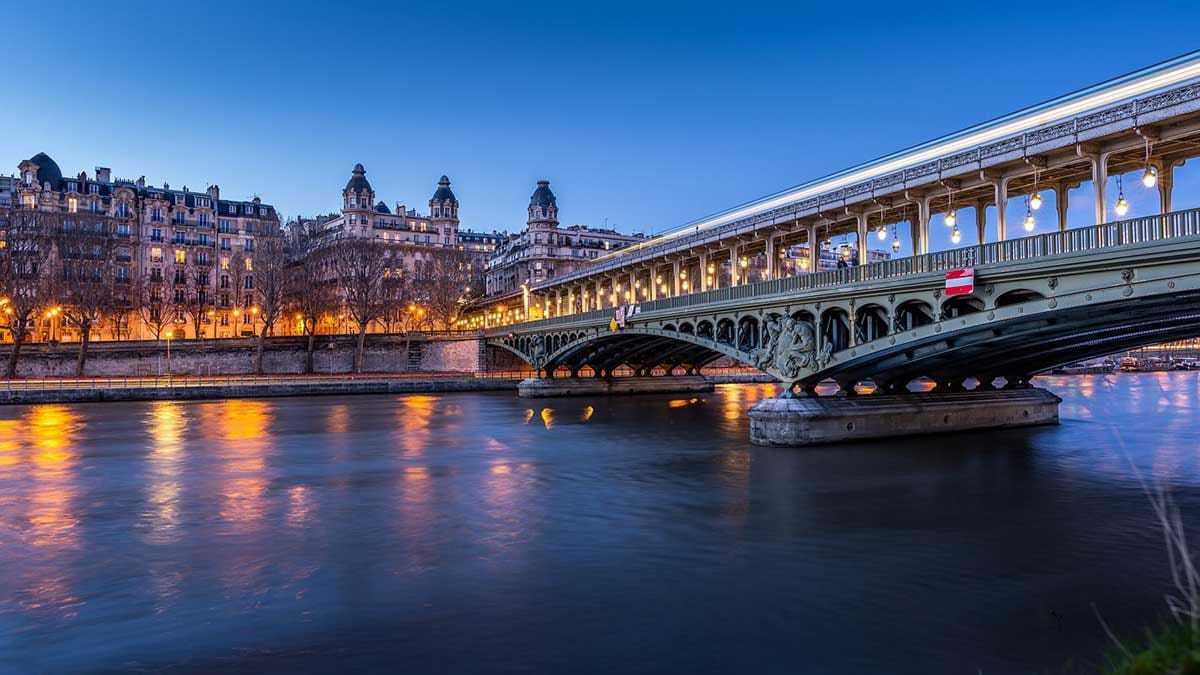 Image by Pierre Blaché from Pixabay
5. Speak a little French – and blend in in general
“If you make an effort to speak a little French – even the most basic phrases – this will go a long way in Paris,” Thyebaut says. “It will help you break the ice and interact with the locals, many of whom will be happy to switch to English if they are able to.”
In addition, Thyebaut recommends you “try to act like locals as far as possible and don’t speak loudly in a foreign language, as this could make you a target for pickpockets.”
6. Avoid demonstrations
Despite its reputation for inclusivity, Paris is a city where emotions can run high – and sometimes those emotions spill out onto the streets.
Recent protests for and against Israel are just one example of Parisians taking to the streets to make their feelings clearly known.
However, as Rampont notes, “France is a very pacifist country, and any kind of violence – during protests or otherwise – is quite rare. If you come upon a protest, just let them go about their business. They’re more concerned with getting the government’s attention than anything else.”
The U.S. State Department prefers to err on the side of caution. It has given France a level-two (exercise increased caution) rating, noting the possibility of terrorist attacks and violent demonstrations.
7. Get travel insurance
Travel insurance is essential for any trip to Paris – and Berkshire Hathaway Travel Protection has you covered. Learn more about our travel insurance.
 Photo by Curtis MacNewton on Unsplash
Getting Around Paris Safely
Paris offers many great ways to get around – and many ways to do it safely. In particular:
Walking
Paris is a walking city, and strolling around is a characteristic Parisian experience. Just be aware of crowds in front of major tourist attractions where pickpockets and scam artists can operate.
Driving
“Two good points to know,” Rampont says: “The French drive a lot faster on surface streets than we do, and there are many roundabout intersections all over the city.”
Given that, and the city’s desire to shift away from cars, and the fact that public transport is so good, you may want to reconsider driving in Paris and leave it to the experts – or the Parisians.
Mass transit
The Paris metro is one of the world’s best mass-transit systems. But you need to know how to navigate it.
“I always carry a metro map with me and plot out my destination before I set foot in the station,” Rampont says. “You can buy tiny, foldout maps at any large-ish bookstore in the States and also in Paris. If you need to consult your map, it’s easy to have it on hand.”
 Photo by Stacy Wyss on Unsplash
The Bottom Line On Travel Safety In Paris
“Honestly, the No. 1 recommendation is not to worry too much about safety in Paris,” Rampont says. “As world capitals go, it’s a very safe city, and I’ve never thought twice about traveling there. Follow the normal tips you would when traveling in any big city and you’ll be just fine.”
Of course, the bonus for traveling safely in Paris is that you’re in Paris, and Paris is … magic.
“As the famous saying goes, ‘Paris is always a good idea,’” Rampont concludes. “The city never gets old. Once you’ve discovered the museums and world-class monuments, you have a wealth of culture to explore.
“The little corner bistros, the food halls at the glitzy Parisian department stores like Galeries Lafayette, and the cozy neighborhoods like Rue Cler which are like little villages within the greater city: Paris has layers and layers of richness for every traveler.”
And if that doesn’t make you want to visit Paris right now, check your pulse.
link