
West Virginia Travel Safety: What it means for residents and visitors in 2026
CHARLESTON, W.Va. — Travel safety in West Virginia is shaped less by headline-grabbing crime and more by geography, weather, and the realities of rural travel. For West Virginians and the growing number of tourists drawn by the state’s mountains, rivers, and small towns, that distinction matters.
Recent tourism data show steady growth in outdoor recreation, heritage travel, and seasonal festivals. With that growth comes a practical question: How safe is travel in West Virginia, and what should travelers actually prepare for?

The answer, according to public safety officials and tourism experts, is that West Virginia remains a generally safe place to visit, particularly given its low violent crime rate. But safe travel here depends on understanding terrain, distances, and conditions that differ sharply from those in more urban states.
Crime is not the primary risk
West Virginia consistently ranks below the national average for violent crime, according to federal and state reporting. According to data from the FBI Crime Data Explorer, West Virginia’s violent crime rate has remained below the national average in recent reporting years.
Most visitors are far more likely to encounter wildlife, weather-related hazards, or vehicle issues than criminal activity. Travel safety isn’t about urban issues.
The West Virginia State Police reports that crimes involving tourists are relatively rare and tend to be property-related, such as vehicle break-ins at trailheads or crowded events. Law enforcement officials emphasize that standard precautions—locking vehicles, avoiding leaving valuables in plain sight, and being aware of surroundings—are usually sufficient.
For West Virginians, the message is similar: community familiarity and lower population density tend to reduce random crime, but complacency can increase vulnerability during peak travel seasons.
The real safety issues are environmental
West Virginia’s greatest travel risks are environmental. The state’s mountainous topography creates conditions unfamiliar to many visitors, particularly those from flatter or more urban regions.

The weather can change quickly, especially in the Allegheny Mountains and other high elevations. Fog, sudden downpours, ice, and snow can appear with little warning, even in shoulder seasons. Transportation officials regularly caution that rural roads may be narrow, winding, and poorly lit, with limited shoulders and infrequent services.
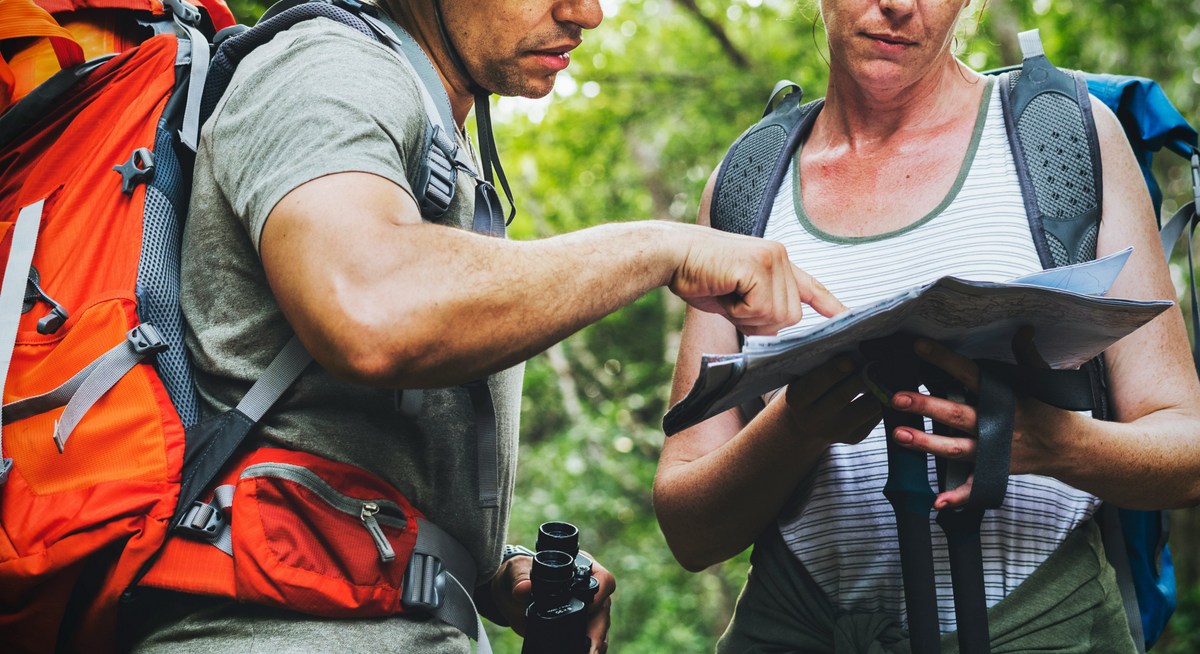
Search-and-rescue calls often stem from hikers underestimating distances, failing to carry navigation tools, or assuming cell service will be available everywhere. In many parts of the state, it is not. The W.Va. Division of Natural Resources has repeatedly cited inadequate preparation and limited cell service as common factors in search-and-rescue responses.

The W.Va. Division of Natural Resources advises travelers to treat outdoor excursions as backcountry experiences, even in popular state parks. That means sharing itineraries, carrying basic survival supplies, and checking local conditions before setting out.
Driving safety matters more than most realize
For both residents and visitors, driving remains the single greatest travel safety concern. West Virginia has one of the highest percentages of rural roads in the country.
Wildlife collisions involving deer and black bears are common, particularly at dawn and dusk. The W.Va. Department of Transportation warns that wildlife collisions and narrow rural roads are among the most persistent travel hazards in the state.
Steep grades, tight curves, and sudden weather changes add complexity for drivers unfamiliar with mountain roads, such as those in the New River Gorge.

Tourism officials note that GPS navigation can be unreliable in remote areas, sometimes directing drivers onto unmaintained roads. Locals recommend downloading offline maps and paying attention to posted signage rather than blindly following turn-by-turn directions.
Alcohol-related crashes remain a concern statewide, especially during festivals and holiday weekends. Officials stress that many rural areas lack rideshare services, making advance planning essential.

Emergency response is strong, but distance matters
West Virginia’s emergency responders are widely respected, but geography affects response times. In rural counties, help may be many miles away.

Visitors should understand that 911 services function statewide, but reaching an accident site in mountainous terrain can take longer than in cities. That reality reinforces the importance of preparation rather than reliance on rapid assistance.
Tourism agencies encourage travelers to carry first-aid kits, extra water, warm clothing, and vehicle emergency supplies year-round—advice that longtime West Virginians already know well.
Outdoor tourism remains safe with preparation
Despite these challenges, outdoor recreation in West Virginia has an excellent safety record when basic guidelines are followed. Whitewater rafting, hiking, cycling, and skiing are all well-regulated industries, with professional outfitters adhering to national safety standards.
The W.Va. Department of Tourism emphasizes that most accidents occur when visitors venture beyond marked areas or ignore posted advisories. Outfitters and park officials consistently advise travelers to match activities to their skill level and experience.
For West Virginians, the growth in outdoor tourism has reinforced a long-held truth: respect for the landscape is the foundation of safety.
What this means for West Virginians
For residents, increased tourism brings economic benefits and renewed attention to infrastructure, but also greater responsibility. Locals often serve as informal ambassadors, offering directions, weather advice, and practical guidance to visitors unfamiliar with rural travel.
State officials say that community awareness, clear signage, and continued investment in road maintenance and emergency services are key to keeping travel safe as visitation grows. You might also find West Virginia travel safety information by searching for route and destination groups on social media.
What this means for tourists
For visitors, West Virginia is not dangerous, but it is different.
Safety here depends less on avoiding crime and more on understanding distance, terrain, and weather. Travelers who plan ahead, respect local advice, and prepare for rural conditions generally find West Virginia to be welcoming, secure, and memorable for the right reasons.
As tourism continues to expand, officials say the message is simple: come prepared, stay aware, and enjoy the state on its own terms.
Order a free West Virginia Travel Guide
State tourism officials emphasize that preparation and realistic expectations are the keys to safe travel across West Virginia’s rural regions. Sign up for a free West Virginia travel guide.
Read also: Travel and outdoor insurance matter for backcountry adventures in West Virginia. Why is the weather in the Allegheny Mountains so different from the rest of West Virginia?
Sign up to receive a FREE copy of West Virginia Explorer Magazine in your email weekly. Sign me up!
link