
Air China Challenges Major European Hubs With New Nonstop Routes To Brussels, Targeting Premium Passengers And Cargo Revenue In A Competitive Market
Published on
December 18, 2025

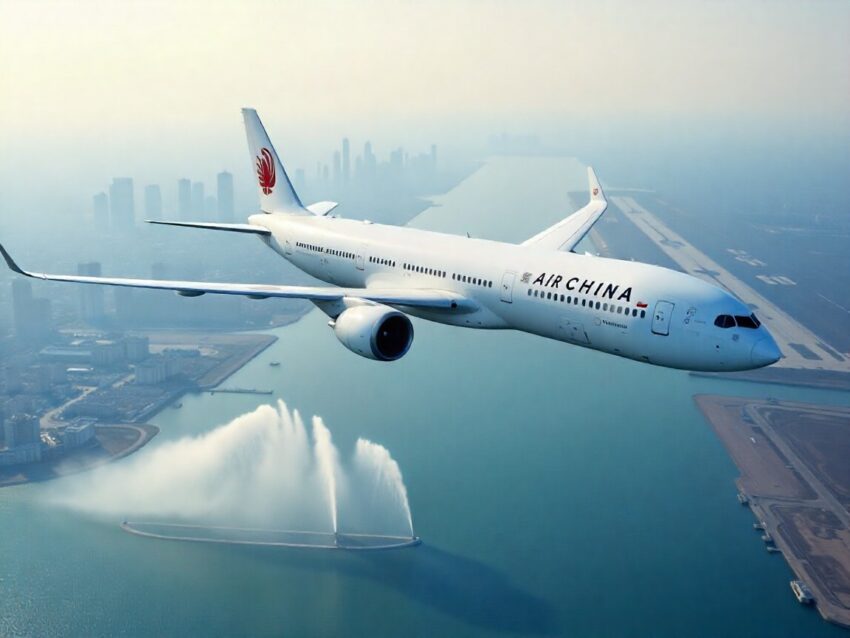
Air China is set to redefine European connectivity with its new nonstop routes from Beijing and Chengdu to Brussels, marking a bold step in the airline’s aggressive expansion into Europe. The launch of these routes on March 24 and 26, 2026, not only challenges Hainan Airlines’ long-standing dominance in the market but also offers passengers from southwestern China a faster, more convenient alternative to previously lengthy travel times. By providing direct access to Brussels, Air China is tapping into a strategic European hub with a steady flow of business and political travelers, as well as valuable belly-hold cargo opportunities, positioning itself as a key player in Sino-European travel.
Air China is set to launch two nonstop routes connecting China with Brussels in late March next year, further intensifying competition in a market previously dominated by Hainan Airlines. The new services will not only add a fresh layer to the highly competitive route network but will also reshape how Chinese airlines are expanding into Europe.
For Chinese airlines, Europe has become one of the final frontiers for expansion. With limited room left in highly saturated markets like North America and Asia, Europe offers a valuable opportunity for growth. Brussels stands out as an ideal destination for this expansion due to its relatively smaller airport size and its flexibility in offering airline slots. Unlike larger European hubs such as Paris or Frankfurt, which are often congested, Brussels provides an attractive option for carriers looking to enter the European market with less competition for landing slots.
While it may not have the same bustling atmosphere as Paris or Frankfurt, Brussels holds several strategic advantages that make it appealing to airlines like Air China. First, the city serves as a stable hub for political and business travelers, many of whom are high-value customers. Brussels is home to numerous international organizations, including the European Union, making it a consistent source of premium passengers. This steady influx of high-profile business and political travelers is a key reason why airlines target the city. Additionally, Brussels offers profitable belly-hold cargo opportunities. Airlines can take advantage of the space in the cargo hold to transport goods across Europe, generating significant revenue in the process. Finally, Brussels offers excellent connectivity to the broader European network, making it a convenient stopover for travelers heading to various destinations across the continent.
On March 24, Air China will begin nonstop flights between Beijing and Brussels, followed two days later by the launch of a service between Chengdu and Brussels. Chengdu will become the fifth mainland Chinese city to offer nonstop flights to Brussels, joining Beijing, Shanghai, Shenzhen, and Chongqing. This new service will make it easier for travelers from southwestern China to reach Brussels without the need for lengthy layovers, significantly improving convenience for passengers.
One of the most notable aspects of this new route is the impact it will have on travelers from southwestern China. Previously, those flying from Chengdu to Brussels faced long and tiring travel times, with flights requiring a stopover in a third city. This made the journey take anywhere from 15 to 20 hours. With the new nonstop service, passengers can cut the total flight time to just 11 hours, saving nearly eight hours compared to the previous route. This improved efficiency will be welcomed by both leisure and business travelers, offering a more comfortable and time-effective option.
The new competition from Air China brings a clear division in the market. Beijing will directly compete for high-value, premium travelers, leveraging its strong presence in international business and political sectors. Chengdu, on the other hand, will focus on the southwestern Chinese market, providing a direct link to Brussels for a region that previously had no nonstop service. Meanwhile, Shanghai will continue to compete on frequency, offering more options for travelers who prefer greater flexibility in scheduling their flights.
At a surface level, the competition is about attracting passengers for these new routes. However, the stakes are higher, as airlines are also vying for three key strategic assets: long-term revenue from premium passengers, early cash flow from belly-hold cargo, and a vital connection linking China’s major aviation hubs with Europe. Brussels is becoming an increasingly important node in this network, as it allows airlines like Air China and Hainan Airlines to establish themselves in Europe while maintaining strong ties to the Chinese market.
The competition for these assets is intensifying. Premium passengers, who generate significant revenue for airlines, are always in high demand. By targeting Brussels, Air China can secure a share of this market, offering convenience and high-quality service for both political figures and business executives traveling to and from the city. Additionally, the belly-hold cargo that is transported on each flight offers a steady source of revenue, helping to offset the operational costs of long-haul flights. Finally, the ability to connect China’s major aviation hubs, such as Beijing and Chengdu, to a key European destination like Brussels creates valuable connectivity for both passengers and cargo.
Air China’s strategic move to expand its European network by entering the Brussels market reflects the growing competition among Chinese carriers and their aggressive expansion strategies. The new nonstop routes between Beijing, Chengdu, and Brussels are set to transform travel patterns between China and Europe. As airlines continue to target new opportunities for growth, the stakes remain high in the race to secure the most lucrative routes and the most valuable strategic assets.
Air China is revolutionizing European connectivity with its new nonstop routes from Beijing and Chengdu to Brussels, offering faster travel times and greater convenience. This move intensifies competition with Hainan Airlines, while tapping into Brussels’ strategic hub for business and political travelers.
In conclusion, Air China’s decision to launch two new nonstop services to Brussels marks an important step in the ongoing expansion of Chinese airlines into Europe. The new routes will offer travelers more options and reduce travel times, benefiting both leisure and business travelers. Moreover, this move reflects a deeper strategic competition for long-term revenue streams, crucial cargo operations, and key international connections, further solidifying Brussels as a key hub in China’s growing aviation network.

link