


Published on
September 17, 2025
By: Tuhin Sarkar


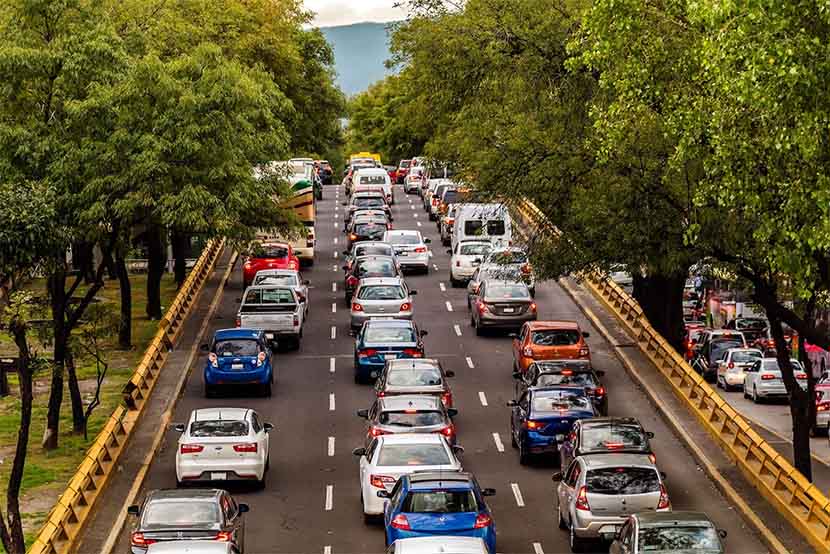
Mexico City has been ranked as the hardest metropolis in the world to navigate by car, bringing major travel challenges for drivers. With a staggering congestion rate of 52%, this sprawling urban landscape can feel like an unmanageable maze.
Mexico City’s road systems are not only complex but are also plagued with constant traffic jams, poor planning, and inconsistent enforcement of traffic laws. As the city continues to grow, the driving experience becomes even more stressful, especially during peak hours.
Navigating through Mexico City’s chaotic streets requires patience and awareness. Drivers must be prepared for long delays and unpredictable traffic.
This makes Mexico City a daunting destination for anyone planning to drive in the city. Despite its beauty and cultural significance, the roads present significant obstacles for even the most experienced drivers, especially when compared to other global cities.
Mexico City has been officially ranked as the hardest city in the world to navigate by car. With an overwhelming congestion rate of 52% and a challenging road network, driving in this bustling metropolis can be an extremely stressful experience. For those planning to drive internationally, this study underscores the complexities of navigating such chaotic cities and highlights the need for preparedness before venturing behind the wheel.
Mexico City Leads Global Rankings for Worst City to Drive In
Mexico City tops the list with a score of 75.0, marking it as the hardest city worldwide to drive in. The city’s notorious congestion, which peaks at 52%, makes it almost impossible for drivers to move quickly during rush hours. The gridlocked streets, compounded by poor road planning and a lack of enforcement for traffic laws, make navigating this sprawling urban landscape a daunting task. As one Reddit user aptly described, “The chaos of Mexico City in terms of cars is very complex—traffic and speeding are everyday problems.” Navigating through the maze of narrow streets and erratic drivers can be overwhelming, even for seasoned motorists.
The congestion levels in Mexico City put it at the top of the global congestion score, with a ranking of 1 in the Congestion World Score. The combination of this dense traffic and frequent bottlenecks forces many drivers to spend hours in their vehicles, increasing frustration and fatigue.
Bangkok, Thailand: Second Most Difficult City for Drivers
Coming in second place is Bangkok, Thailand, with a congestion level of 50%. This vibrant city, famous for its street food and cultural landmarks, often comes to a standstill during peak hours. Drivers find themselves stuck in traffic, especially during local festivals when the streets flood with people. Despite Bangkok’s relatively faster mobile speeds at 149 Mbps, the city’s limited alternative routes and the dense urban infrastructure make it tough for drivers to find their way around without encountering delays. Navigating Bangkok requires patience, as traffic congestion frequently hampers the flow of travel.
Motorists who visit Bangkok should be prepared for significant delays and take the time to familiarize themselves with alternative routes and off-peak travel hours. As one of the world’s most visited cities, the influx of tourists also adds to the traffic woes, contributing to even higher congestion levels.
Madrid, Spain: The European City That Causes the Most Traffic Headaches
Madrid ranks third globally for the hardest city to navigate by car. Despite its relatively lower congestion level of 21%, it has an astonishing 84.9 million global searches for directions—far more than any other city. This suggests that drivers are struggling to find their way around the city’s complicated road systems and dense traffic. Madrid’s intricate street layouts and frequent one-way streets pose a unique challenge for those unfamiliar with the city.
Though not as congested as Mexico City or Bangkok, the complexity of Madrid’s roads is enough to make it the hardest European city to drive in. This is particularly problematic for tourists, who may already be overwhelmed by the city’s sprawling nature and can easily lose their bearings in the hustle and bustle.
Istanbul, Turkey: A Maze of Narrow Streets and Dense Traffic
Istanbul, Turkey, comes in at fourth place on the list of the hardest cities to drive in. The city’s congestion levels sit at 41%, and it ranks 35th in the global Congestion World Score. This city, straddling two continents, has a particularly difficult road network, made worse by narrow streets and constant traffic jams. With a combination of historic buildings, small alleyways, and congested roads, Istanbul’s urban planning does little to help drivers navigate efficiently.
Istanbul’s roads are also heavily affected by inconsistent traffic rules, with a mixture of vehicles and pedestrians competing for space on many roads. As traffic builds up, travelers often find themselves stuck for hours, struggling to reach their destinations.
Dublin, Ireland: Limited Routes and Challenging Traffic
Dublin, Ireland’s capital, takes the fifth spot with a congestion level of 47%. The city’s narrow roads and poorly designed street layouts make it difficult for drivers to navigate, especially during rush hour. In addition, the volume of global searches for directions in Dublin indicates that even locals struggle with the city’s road systems. Dublin’s traffic congestion, combined with its aging infrastructure, makes driving here a challenge for both residents and tourists alike.
However, the city’s modern road signage and growing number of digital navigation tools provide some relief to travelers. Nevertheless, it’s still a tough place to drive, particularly for those unfamiliar with its winding streets and intricate intersections.
Johannesburg, South Africa: Heavy Congestion and a Lack of Alternative Routes
Johannesburg in South Africa ranks sixth globally as one of the hardest cities to drive in. The city experiences a 32% congestion level, with drivers often stuck in traffic jams that seem to stretch for miles. With limited alternative routes and frequent road closures, Johannesburg is not an easy city to navigate by car. Drivers can spend an excessive amount of time stuck in gridlock, particularly during rush hours.
The city’s road conditions are further complicated by the lack of well-maintained routes, leading to potholes and poor visibility, which can be hazardous for those unfamiliar with the area. Travelers should be prepared for delays and have contingency plans in case of road disruptions.
Tokyo, Japan: Navigating One of the World’s Most Populous Cities
Tokyo, Japan, ranks seventh on the list of hardest cities to navigate by car. Despite its relatively low congestion level of 30%, the sheer size of the city and its highly dense population make driving a challenge. Tokyo’s sprawling urban area has an intricate network of roads that can confuse even experienced drivers. Additionally, road signs in Japan may not always be easy to follow for non-Japanese speakers, adding another layer of complexity for international motorists.
In addition to this, Tokyo’s high population density means that traffic can come to a standstill in certain areas, particularly near popular tourist spots and business districts. Drivers in Tokyo must navigate these challenges while adhering to strict traffic regulations.
Cairo, Egypt: Navigating Through Historic Streets and Heavy Traffic
Cairo, Egypt, ranks eighth in the world for the most difficult cities to drive in. The city’s roads are often clogged with traffic, especially during peak hours. With a 18% congestion level, Cairo also ranks poorly for its mobile connectivity, making it difficult for drivers to rely on navigation apps when they need them most. The city’s historical streets, narrow alleyways, and the abundance of cars create a driving environment that can be overwhelming for even the most experienced drivers.
To navigate Cairo successfully, motorists need to understand the local driving culture, which may involve aggressive driving and ignoring traffic signals. This can be particularly unnerving for tourists who are not accustomed to such behaviors.
Hong Kong, China: Dense Traffic and Limited Parking Options
Hong Kong, with a congestion level of 30%, ranks ninth on the list of the hardest cities to navigate by car. The city’s road system is complicated, with a high density of vehicles and pedestrians. Hong Kong’s public transport system is extensive, but for those opting to drive, the lack of parking spaces and the constant flow of traffic can make navigating the city a stressful experience.
In addition to these challenges, Hong Kong’s roads are often congested due to its dense population and influx of tourists. This makes it important for drivers to plan their journeys carefully and allow plenty of time for potential delays.
Los Angeles, United States: A City Built for Traffic Jams
Los Angeles, the final city on the list, rounds out the top 10 hardest cities to navigate by car. With a 43% congestion level and over 831,960 searches for directions, Los Angeles drivers spend a significant portion of their time in traffic jams. The city’s sprawling infrastructure and notorious traffic snarls make it a difficult city to navigate. Although LA has a large number of freeways, they are often clogged with cars, making it challenging for drivers to get from one place to another.
Preparation Tips for Driving Abroad
For those who plan to drive in these challenging cities, preparation is key. One of the most important steps is obtaining an international driving permit, which is required for driving in many countries. Additionally, motorists should be prepared for emergencies by knowing local emergency numbers and ensuring their vehicle is equipped with necessary supplies, such as a spare tire and emergency kit.
Offline maps are essential, especially in cities like Mexico City, where signal disruptions can leave drivers stranded. It’s also important to drive at your own pace, sticking to what you’re comfortable with, and being aware of which side of the road you need to drive on. By following these tips, travelers can be better prepared to navigate the toughest cities in the world.
Source: Nationwide Vehicle Contracts


link