


Published on
August 18, 2025
By: Tuhin Sarkar


Taste, trends, and TikTok: Five takeaways on Malaysian food heritage reveal how food shapes identity, travel, and culture in this nation. Taste has always been the first connection Malaysians share. From kampung kitchens to bustling warungs, food carries stories of families, festivals, and faith. Taste is memory. Taste is belonging. Taste is also discovery, reminding us that food heritage is not just on a plate but in the people who serve it.
Trends keep food alive in a fast-changing world. Malaysian food heritage adapts through these trends without losing its roots. What was once cooked in small kampungs is now celebrated on global platforms. The trends prove that heritage does not fade; it evolves. When nasi lemak or char kuey teow go viral, it shows the power of food to cross borders and generations.
TikTok has become a stage where Malaysian food heritage shines. Everyday creators show their take on local dishes. They share cooking, tasting, and storytelling. TikTok makes food more than content; it makes it connection. Through short videos, Malaysians learn to appreciate their own heritage again.
These five takeaways on Malaysian food heritage prove one thing: food unites where words may divide. It brings cultures together, fuels travel, and strengthens identity. Food is more than eating. It is about standing together as Malaysians, celebrating both taste and tradition, while embracing the influence of trends and TikTok in shaping the next chapter of Malaysian food heritage.
Food as Malaysia’s Strongest Connection
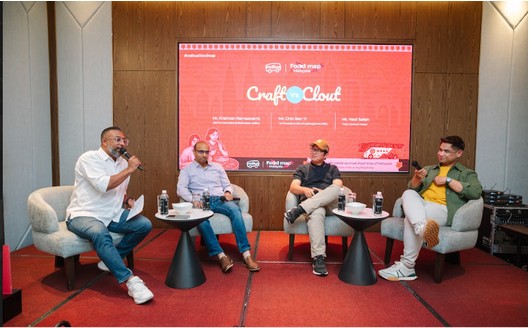
Malaysia’s food culture is more than flavours. It is a living connection between people. From kampung kitchens to roadside stalls, food has carried families through tough times. It has sparked friendships across cultures. It has stitched together Malaysians in ways no speech or slogan can. Merdeka and Malaysia Day remind us of unity. Food reminds us of belonging every day. In an age of TikTok trends and viral dining, one question remains: do Malaysians eat for culture or clout? That was the heart of redBus’ Food Map Malaysia launch and the panel discussion “Clout vs. Craft: Who Really Runs the Table?”.
Tradition Still Matters in the Digital Age
Food trends come and go, but tradition holds power. Malaysia’s best-loved eateries often don’t need gimmicks. They thrive on authenticity and heritage. The proof is in places like Nasi Dagang Atas Tol in Kuala Terengganu. Once a humble roadside spot, today it is a national name. The recipe has not changed. The flavours remain true. Customers have become advocates, spreading its fame without paid campaigns. Authenticity cuts through digital noise. It shows that in Malaysia, food rooted in tradition will always have a seat at the table.
Travel Driven by the Taste of Food
Malaysians travel for food more than anything else. Long weekends spark road trips not for souvenirs but for meals. Krishnan Ramaswami of redBus said it best: “Food moves people.” A single dish can inspire a journey across states. Bee Hwa Cafe in Penang proves this point. Its char kuey teow is cooked over charcoal, the old-fashioned way. The smoky aroma alone attracts crowds from across the country. Food becomes the map, guiding people to destinations. In Malaysia, culinary heritage is not only tasted but travelled for.
Authenticity Can Evolve Without Being Lost
Authenticity does not mean being stuck in the past. It can adapt while staying true. Malaysian eateries and content creators show this balance. Hadi Salleh, a food content creator, believes relevance comes from adapting without losing heart. Village Park in Damansara Uptown is the perfect example. Known for its nasi lemak, it has stayed consistent for decades. Yet it has embraced visibility in the digital age. Families, foodies, and even ministers gather there. It is authentic, but also relevant. That balance keeps Malaysia’s food culture alive and evolving.
Flavour is Local and Tied to Place
In Malaysia, flavour is identity. Each region brings its own pride to the plate. Penang’s smoky char kuey teow, Kelantan’s vibrant nasi kerabu, and Pahang’s patin tempoyak all reflect local roots. These dishes are more than meals. They are cultural markers, tied to ingredients and traditions unique to their towns. The Food Map Malaysia highlights this diversity. Kancil Raja Patin HQ in Temerloh is a prime example. Its 13-ingredient family recipe for patin tempoyak has been passed down for generations. To taste it is to taste Temerloh’s spirit.
Fusion is Malaysia’s Origin Story
Fusion in Malaysia is not a modern fad. It is the country’s origin story. Centuries of trade, migration, and cultural exchange have shaped the cuisine. Dishes like mee goreng mamak and nasi kandar are not trendy reinventions. They are the natural result of Malay spices mixing with Chinese techniques and Indian flavours. Jonker 88 in Melaka captures this history. Its Peranakan-style laksa is heritage in a bowl. The crowds that queue daily prove fusion here is not marketing. It is lived experience, comfort food born from centuries of cultural blending.
Food Map Malaysia Connects People and Plates
The redBus Food Map Malaysia was created to guide travellers across this culinary journey. It celebrates authentic eateries and hidden gems. It reminds Malaysians and visitors that food is both adventure and heritage. More than just a guide, it is a tool for unity. It connects diverse communities through flavours. It highlights why Malaysians will travel, wait in queues, and share meals. With technology, the Food Map helps preserve authenticity while making discovery easier. It brings tradition and modernity to the same table.
A Nation’s Story Told Through Food
Malaysia’s food scene is a story of resilience and identity. Every plate carries memory and migration. Every dish is a marker of history and change. In a world where viral content can overshadow meaning, Malaysia shows that authenticity still matters. The country’s food culture proves that craft lasts longer than clout. It is why food will always unite Malaysians. From nasi lemak in Damansara to laksa in Melaka, flavour is the common language. It is not only about eating. It is about sharing. It is about celebrating who Malaysians are.
Why This Matters for Tourism and Travel
For the travel industry, Malaysia’s food story is a powerful tool. Culinary tourism is now one of the top reasons people explore destinations. Malaysia is positioned perfectly. It offers diverse flavours, authentic traditions, and vibrant dining cultures. Food is an attraction as strong as beaches, mountains, or malls. The Food Map Malaysia adds a digital bridge, helping tourists find these flavours. It turns food into an entry point for cultural discovery. For Malaysia’s tourism industry, the message is clear: food is both heritage and economic power.
A Shared Table for the Future
Malaysia’s food culture is its greatest unifier. It stands at the crossroads of tradition and trend, authenticity and clout. Yet its strength lies in evolution without loss. The Food Map Malaysia captures this spirit, guiding travellers to the heart of the country through its kitchens. From nasi dagang to patin tempoyak, from kampung stalls to global platforms, Malaysia’s food tells a story of unity. It is not just what is eaten. It is why it is shared. At every table, Malaysia reminds the world that food is culture, comfort, and connection.


link